


The Architecture of the Water
The Imperial Palaces and the Timeless "Yalı" Mansions
The Bosphorus shoreline is an open-air museum. Unlike any other waterfront in the world, it is defined by the fragile elegance of the “Yalı”—wooden mansions built directly upon the water, serving as the summer retreats of the Ottoman elite. Here, we explore the contrast between the impermanent beauty of wood and the eternal weight of the stone palaces.
The Silent Witnesses
A “Yalı” is not just a house; it is a status symbol governed by strict unwritten laws of color and architecture. Of the thousands that once lined the strait, only a few hundred remain.
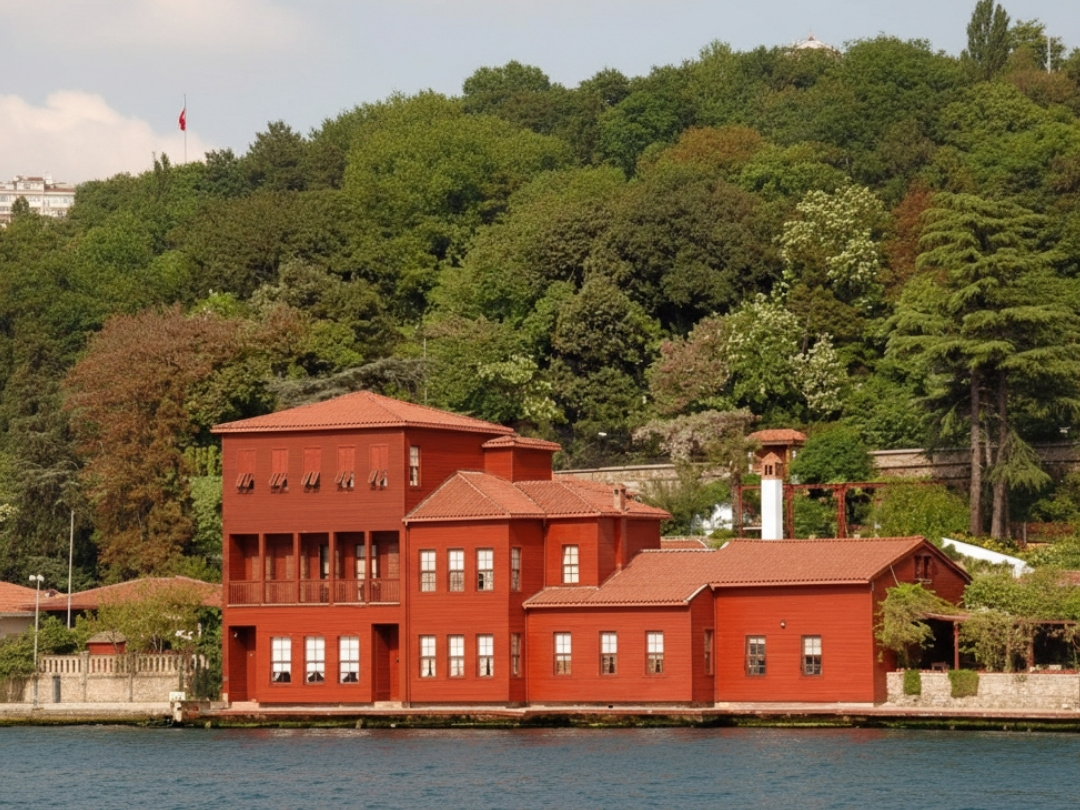 The Crimson Icon
Hekimbaşı Salih Efendi
Famous for its striking "Ottoman Rose" (aşı boyası) color. It stands directly under the Fatih Sultan Mehmet Bridge, a fragile wooden beauty juxtaposed against modern steel.
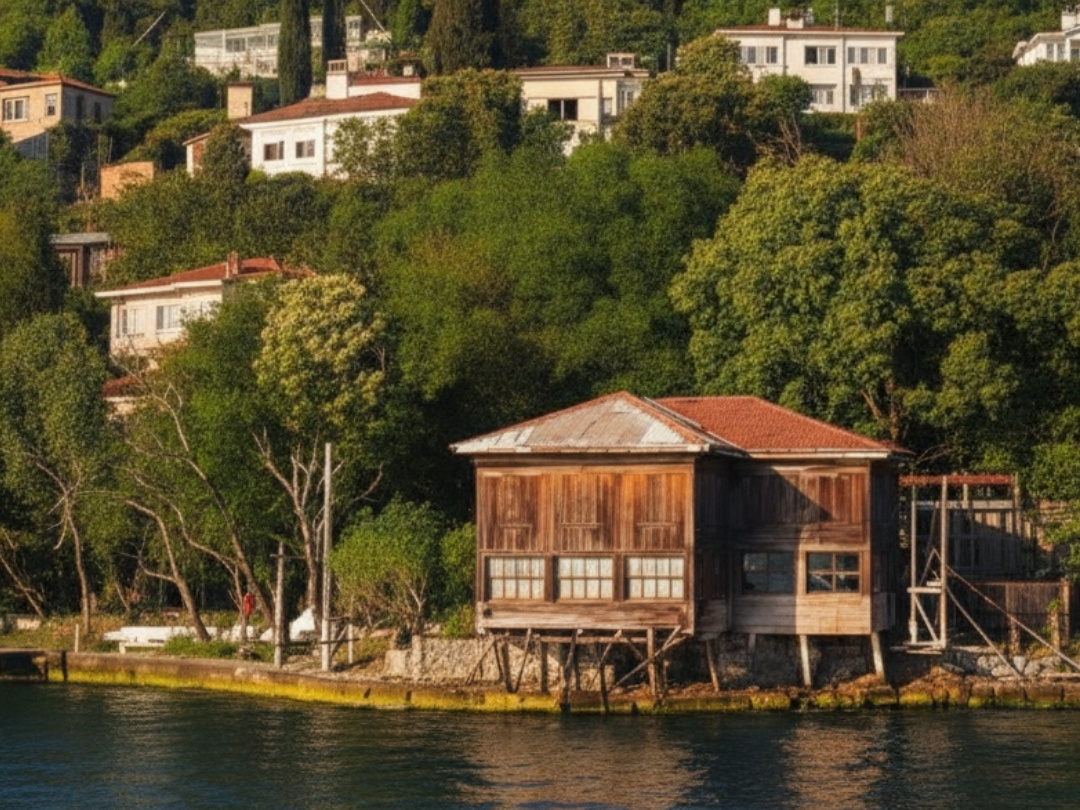 The Oldest
Amcazade Hüseyin Pasha
Built in 1699, this is the oldest surviving yalı on the Bosphorus. Its "Divanhane" (reception hall) suspended over the water is a masterpiece of classical Ottoman architecture.
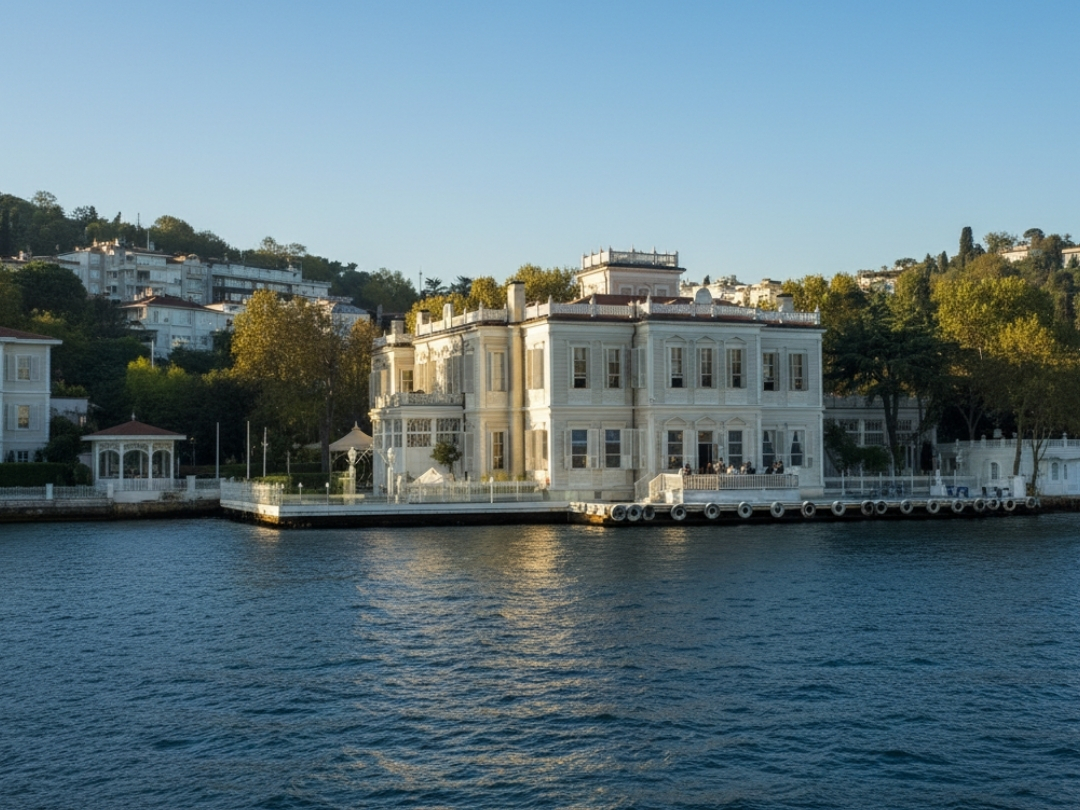 Neoclassical
Said Halim Pasha
More of a palace than a yalı. Located in Yeniköy, this grand structure hosted the signing of the alliance treaty that led the Ottoman Empire into World War I.

Historically, the color of a Yalı indicated the owner's status and religion. Muslim dignitaries typically used **"Aşı Boyası"** (a deep crimson ochre), while non-Muslim citizens used shades of grey or beige. The lighter colors (white/cream) became popular with the 19th-century Westernization.
Enrich Your Exploration

Four Seasons:
Bosphorus, Perfected


Garenta: Discover More of Istanbul
the landmarks; experience the
real city. Garenta offers the freedom to discover Istanbul's hidden treasures at your own pace.

The Sultan’s New Home
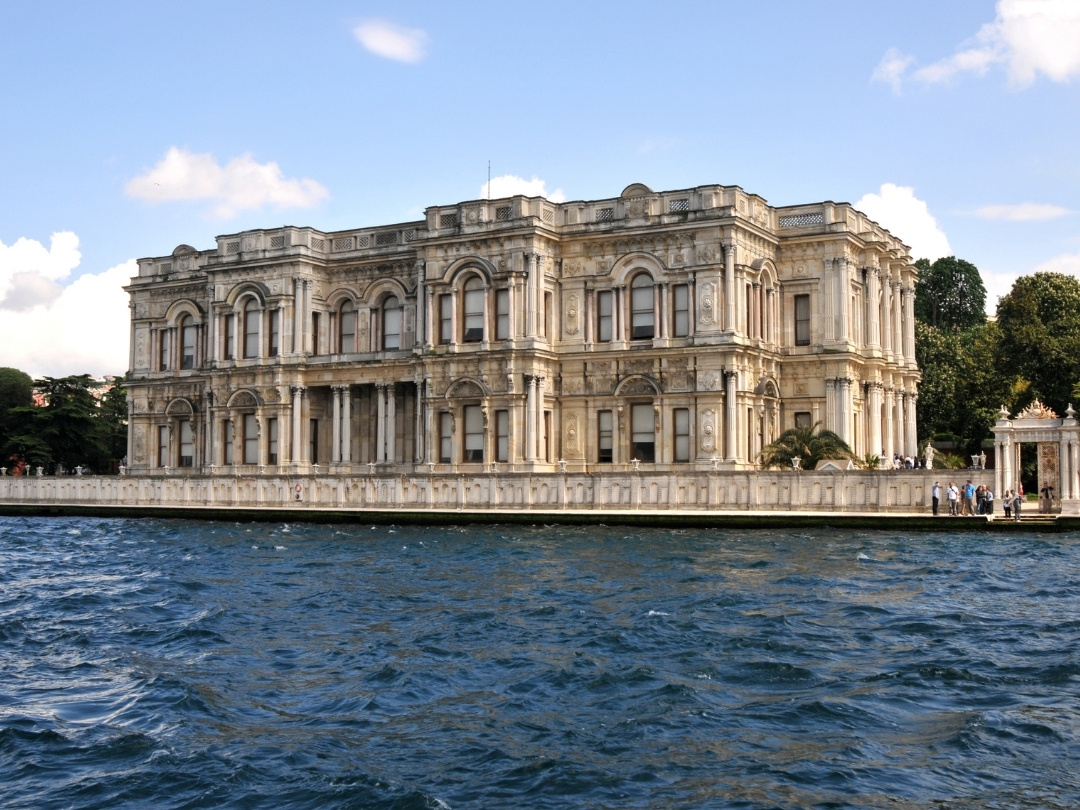
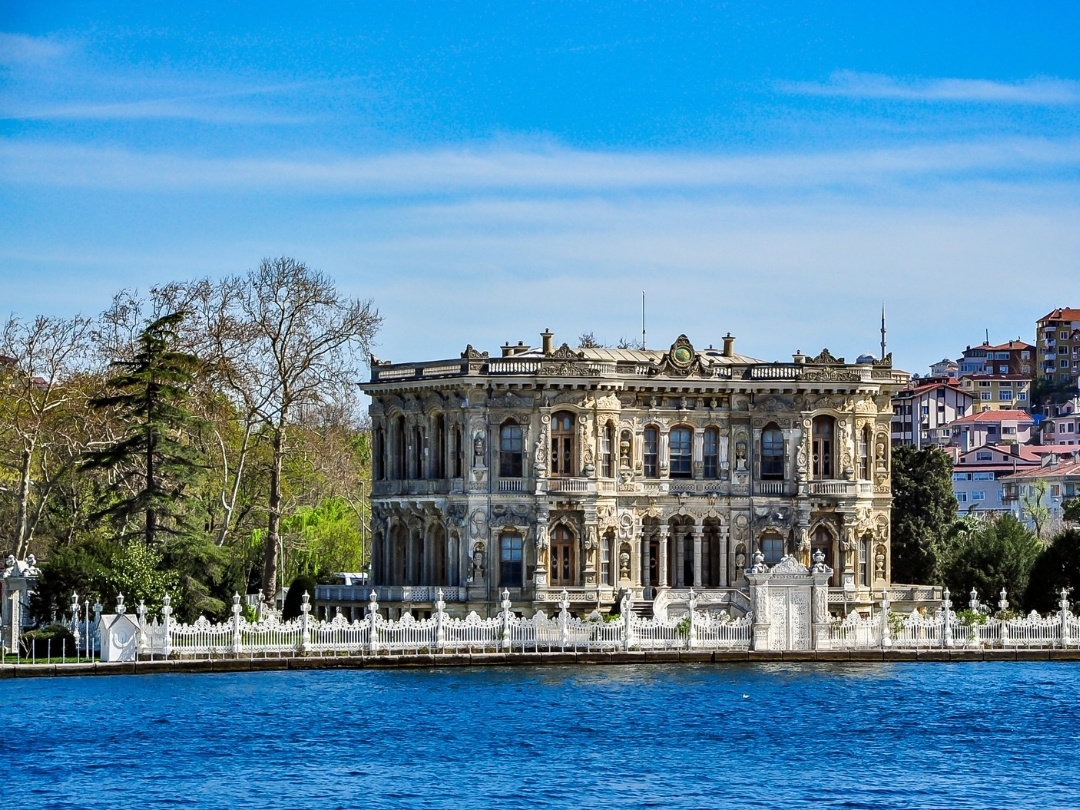
For four centuries, the Ottoman Sultans ruled from the secluded, walled heights of Topkapi Palace. In the 19th century, a radical shift occurred. The seat of the empire descended to the water’s edge. This section explores the “Sultan’s Shore”—a line of monumental stone palaces designed to rival Versailles and reflect the empire’s modern face on the surface of the Bosphorus.
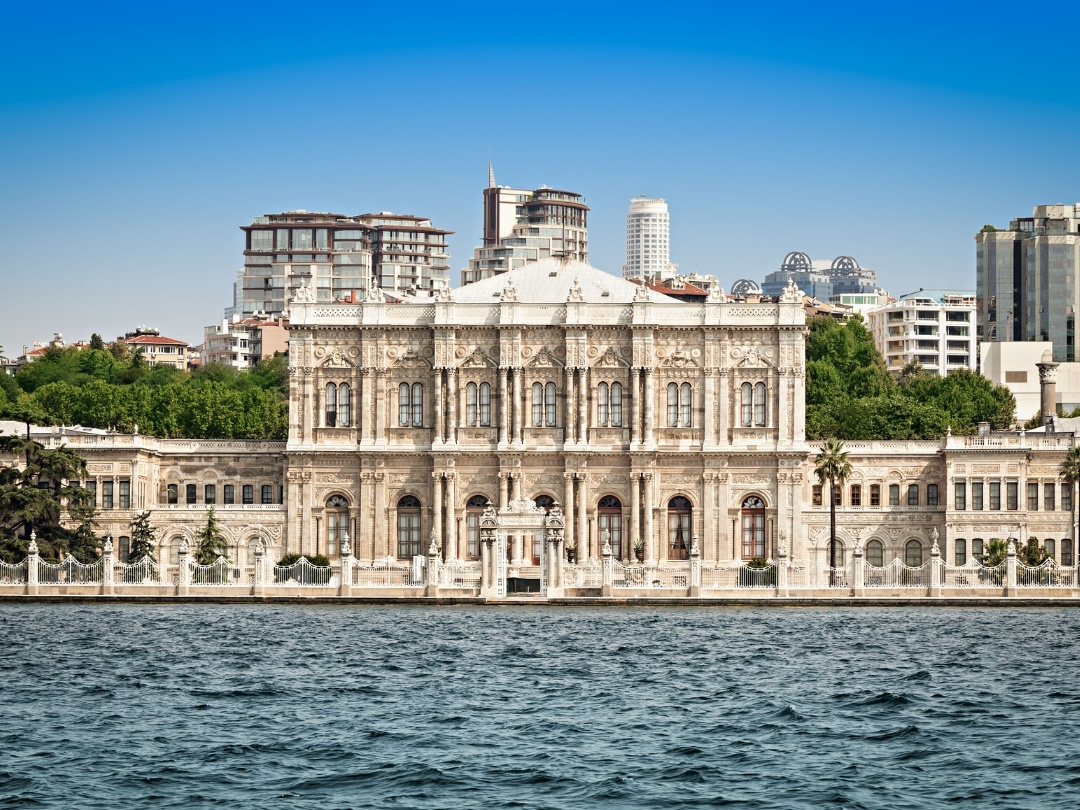
Summer Retreats of the Monarchy
While the European shore was the seat of government, the Asian shore was for leisure. Here, smaller but equally exquisite palaces served as summer residences and guest houses for visiting royalty.
Journey with Confidence
Acıbadem Hospitals Group: Global Excellence in Healthcare
While you immerse yourself in the rich history of Istanbul, your well-being is protected by a future-focused healthcare leader. Acıbadem provides world-class medical services, from comprehensive health screenings to advanced treatments, all delivered with a commitment to your safety and comfort.
Travel with the assurance that you and your loved ones are in the most capable hands.

FAQ: Frequently Asked Questions about Istanbul Bosphorus Shore
Why are the mansions called "Yalı"?
The word comes from the Greek yalos (seashore). It specifically refers to a house built right at the water’s edge, often with a “kayıkhane” (boathouse) underneath, allowing residents to step directly from their boats into their living rooms.
What is the most expensive house on the Bosphorus?
The Erbilgin Yalı (Şehzade Burhaneddin Efendi Yalı) in Yeniköy is consistently ranked among the most expensive residences in the world, with valuations often exceeding $100 million. It boasts 64 rooms and a frontage of 60 meters on the quay.
Can we visit the Yalı mansions?
Most Yalıs are private residences and closed to the public. However, some have been converted into hotels, restaurants, or event venues (like the Sait Halim Pasha Yalı or Esma Sultan Yalı), allowing visitors to experience their interiors.
Why were the Palaces built on the waterfront in the 19th century?
It was a political statement. After centuries of seclusion behind the walls of Topkapi, the Ottoman Sultans wanted to show themselves to the world. Building European-style palaces like Dolmabahçe directly on the Bosphorus symbolized the Empire’s modernize face and its integration with the West.
Are the Yalıs protected by law?
Yes. The Bosphorus Law (Boğaziçi Kanunu) enforces strict regulations. An owner cannot simply demolish or alter the exterior of a historical Yalı. Restoration must be done with original materials and techniques to preserve the skyline’s historical integrity.
