


A Rhythm of Blue
The Ferry, The Seagull, and The Infinite Flow
The Bosphorus is not just a geographical divide; it is a lifestyle. It dictates the mood of the city with its changing colors. It feeds the city with its seasonal migrations. It transports the city on its iconic white ferries. This section is dedicated to the organic life that thrives in and on the current—from the “King” Lüfer fish to the ritual of throwing simit to the seagulls.
The Color and The Harvest
The Bosphorus has a unique biological makeup. It is a biological corridor connecting the cold, plankton-rich Black Sea to the warm Mediterranean. This creates two distinct phenomena: the vibrant turquoise bloom in spring and the abundant fish migration in autumn.
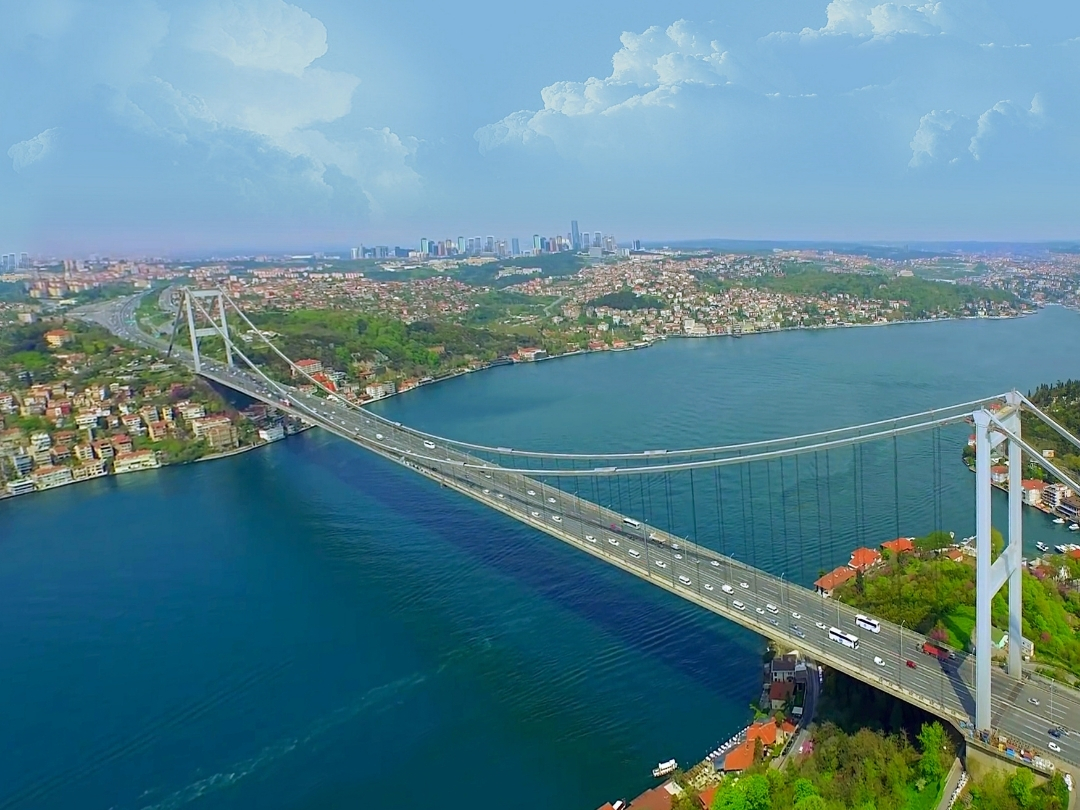 The Phenomenon
The Bosphorus Turquoise
It's not a filter; it's plankton. In spring, the bloom of *Emiliania huxleyi* turns the dark blue waters into a milky, vibrant turquoise—a color so iconic it has its own name in French: "Turquoise" (Turkish).
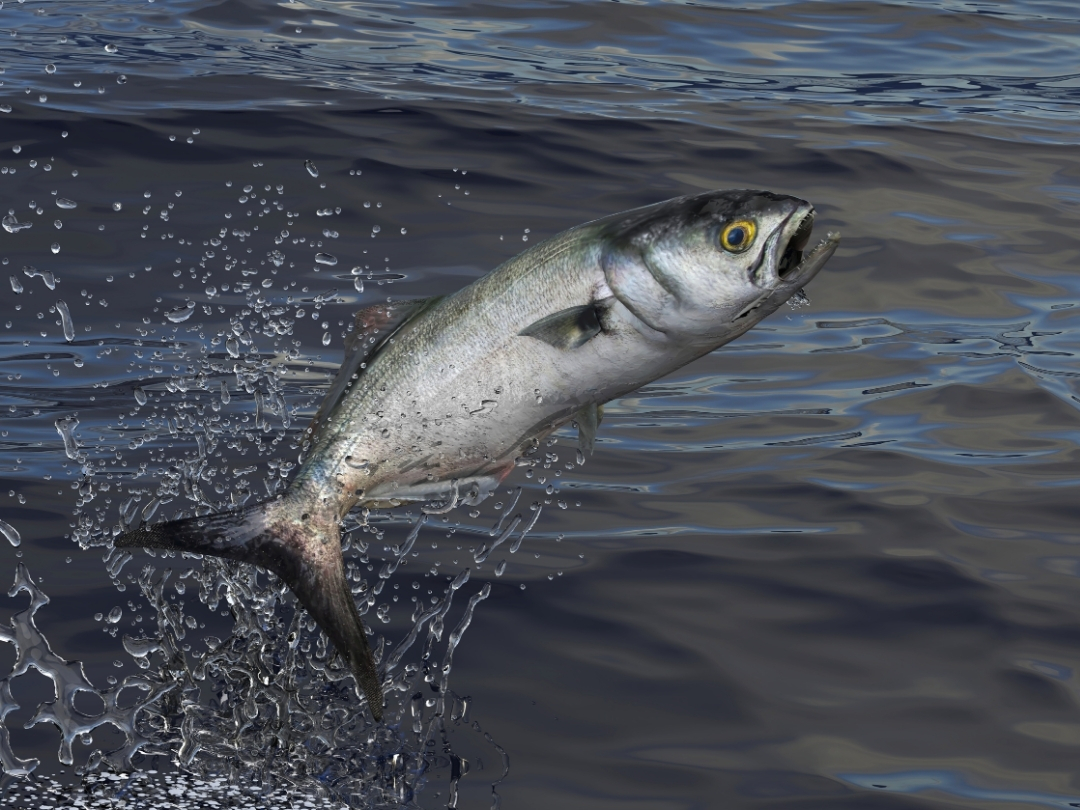 The King
Lüfer: The Bluefish
Known as the "Prince of the Bosphorus." The seasonal migration of this predatory fish is the highlight of Istanbul's culinary calendar. Catching or eating a grilled Lüfer in October is a sacred ritual.
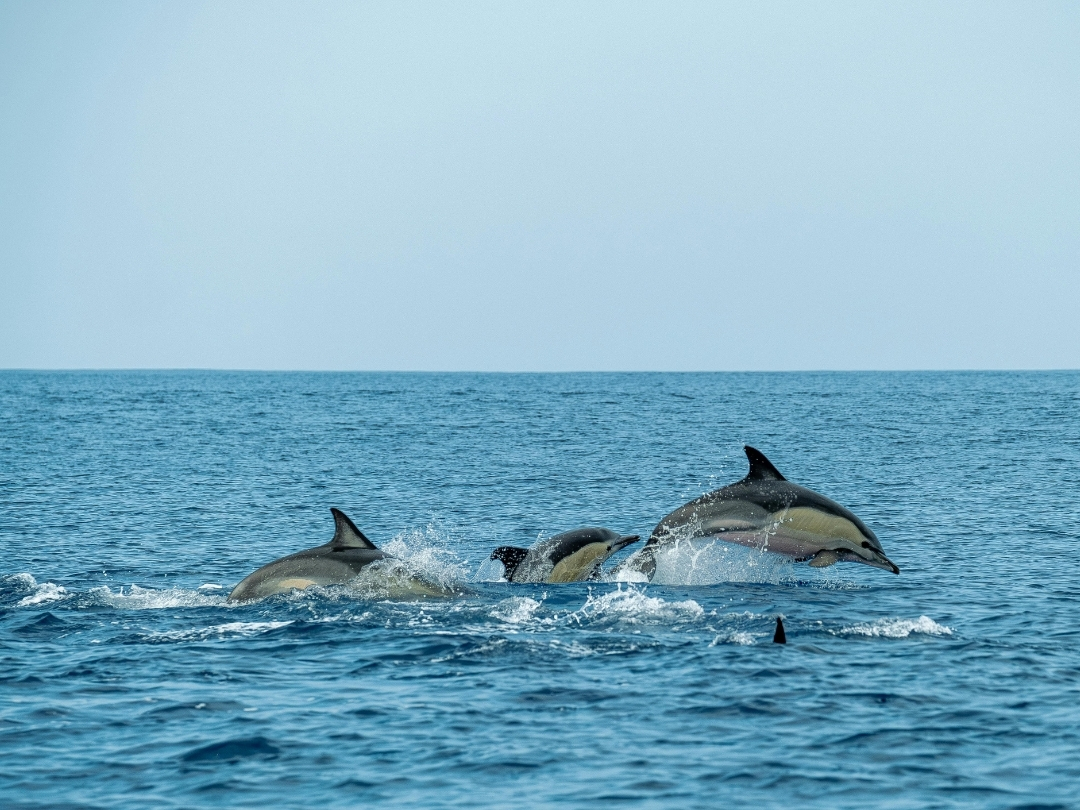 The Travelers
The Urban Dolphins
The strait is a highway for Bottlenose and Common Dolphins. They can often be seen racing the ferries or feeding in the currents of Arnavutköy and Sarayburnu.

The Bosphorus is a biological corridor. In autumn, fish swim South (Black Sea to Marmara) to warmer waters. In spring, they swim North to spawn. This cycle, known as "Akın" (The Raid), determines the menu of every fish restaurant in the city.
Enrich Your Exploration

Four Seasons:
Bosphorus, Perfected


Garenta: Discover More of Istanbul
the landmarks; experience the
real city. Garenta offers the freedom to discover Istanbul's hidden treasures at your own pace.

Beyond the Blue Corridor
The Bosphorus is the artery, but the city is the body. Once you step off the ferry, a world of bazaars, minarets, and modern chaos awaits. Discover the metropolis that surrounds this liquid timeline.

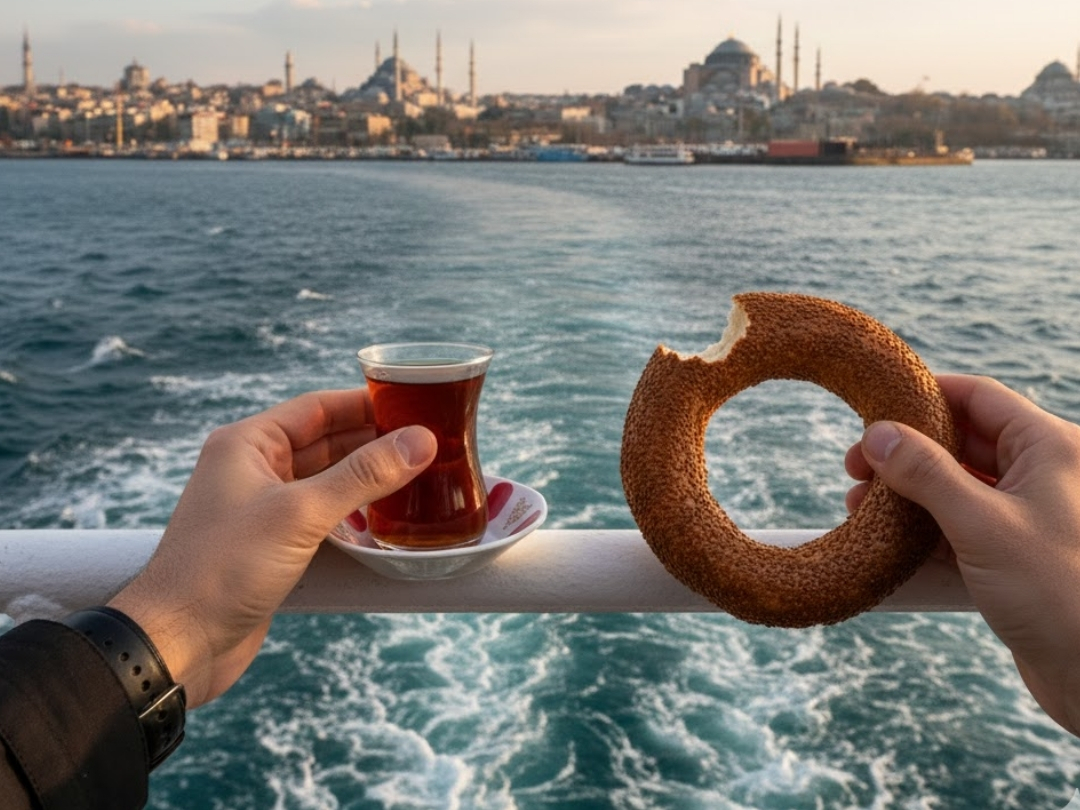
The Vapur Experience
Floating at the entrance of the Bosphorus like a piece of jewelry, the Maiden’s Tower (Kız Kulesi) has been a lighthouse, a quarantine station, and a legend. It is the visual anchor of the strait.

Journey with Confidence
Acıbadem Hospitals Group: Global Excellence in Healthcare
While you immerse yourself in the rich history of Istanbul, your well-being is protected by a future-focused healthcare leader. Acıbadem provides world-class medical services, from comprehensive health screenings to advanced treatments, all delivered with a commitment to your safety and comfort.
Travel with the assurance that you and your loved ones are in the most capable hands.

FAQ: Frequently Asked Questions about Istanbul Bosphorus Daily Life
What is the best way to experience the Bosphorus like a local?
Take the Şehir Hatları (City Lines) public ferry. Avoid the expensive tourist yachts. Simply use your Istanbulkart, board a ferry from Eminönü to Kadıköy or Beşiktaş to Üsküdar, grab a glass of tea for a few Liras, and sit on the open aft deck to watch the skyline.
What is "Lüfer" and why is it so important?
Lüfer (Bluefish) is the “Sultan of the Bosphorus.” It is a fierce predator that lives in the strong currents, giving its meat a unique texture and flavor. For Istanbulites, the start of the Lüfer season in October is a cultural event, celebrated in taverns along the shore.
Can we fish in the Bosphorus?
Yes. You will see hundreds of amateur fishermen lining the Galata Bridge and the shores of Arnavutköy and Kandilli. No license is required for amateur fishing with a rod. It is a meditative social activity for locals, especially on weekends.
Is the Bosphorus water clean?
In recent decades, major cleanup projects have significantly improved the water quality. While it is an active shipping lane, the water is clean enough for dolphins to thrive and for swimming in designated northern areas like Poyrazköy or Kilyos.
What is the "Poyraz" and "Lodos"?
These are the two winds that define the strait. Poyraz blows from the North (Black Sea), bringing cold air and clear skies. Lodos blows from the South (Mediterranean), bringing warm air, storms, and sometimes “headaches” to the locals. The mood of the Bosphorus depends entirely on which wind is blowing.
